When to Call for a Tree Health Assessment: Signs Your Trees Need Expert Attention
@thetreehealthassessmentwire
Living in Volusia County, we are surrounded by beautiful oak trees, pines, and palms. They shade our homes, cool our yards, and add character to the landscape. But trees are living things. They age, they get sick, and sometimes they become dangerous. Knowing when to call for a professional tree health assessment can mean the difference between a manageable issue and a costly emergency.
I have worked with trees for years, and I have seen too many homeowners wait until it is too late. A tree that looks healthy from the driveway might be rotting from the inside. A tree that drops a few dead branches one season might be dead on its feet the next. The key is learning to read the signs that something is wrong. And then knowing when to bring in someone who can do a proper tree health assessment.
Why Trees in Volusia County Face Unique Stressors
Our local climate is hard on trees. We get heavy rain, drought, hurricanes, and sandy soil that does not hold nutrients well. Trees here also face pests like the ambrosia beetle and diseases like oak wilt or pine decline. A tree that is stressed by drought is more vulnerable to insects. A tree that has root damage from construction or soil compaction may not show symptoms for months. By the time you see brown leaves or dead branches, the tree might already be too far gone.
That is why regular observation matters. You do not need to be an arborist to notice changes. But you do need to know what to look for. And when you see something concerning, you need to act.
Seven Signs That Something Is Off
Over the years, I have learned to spot trouble early. Here are the most common warning signs that a tree may need a closer look:
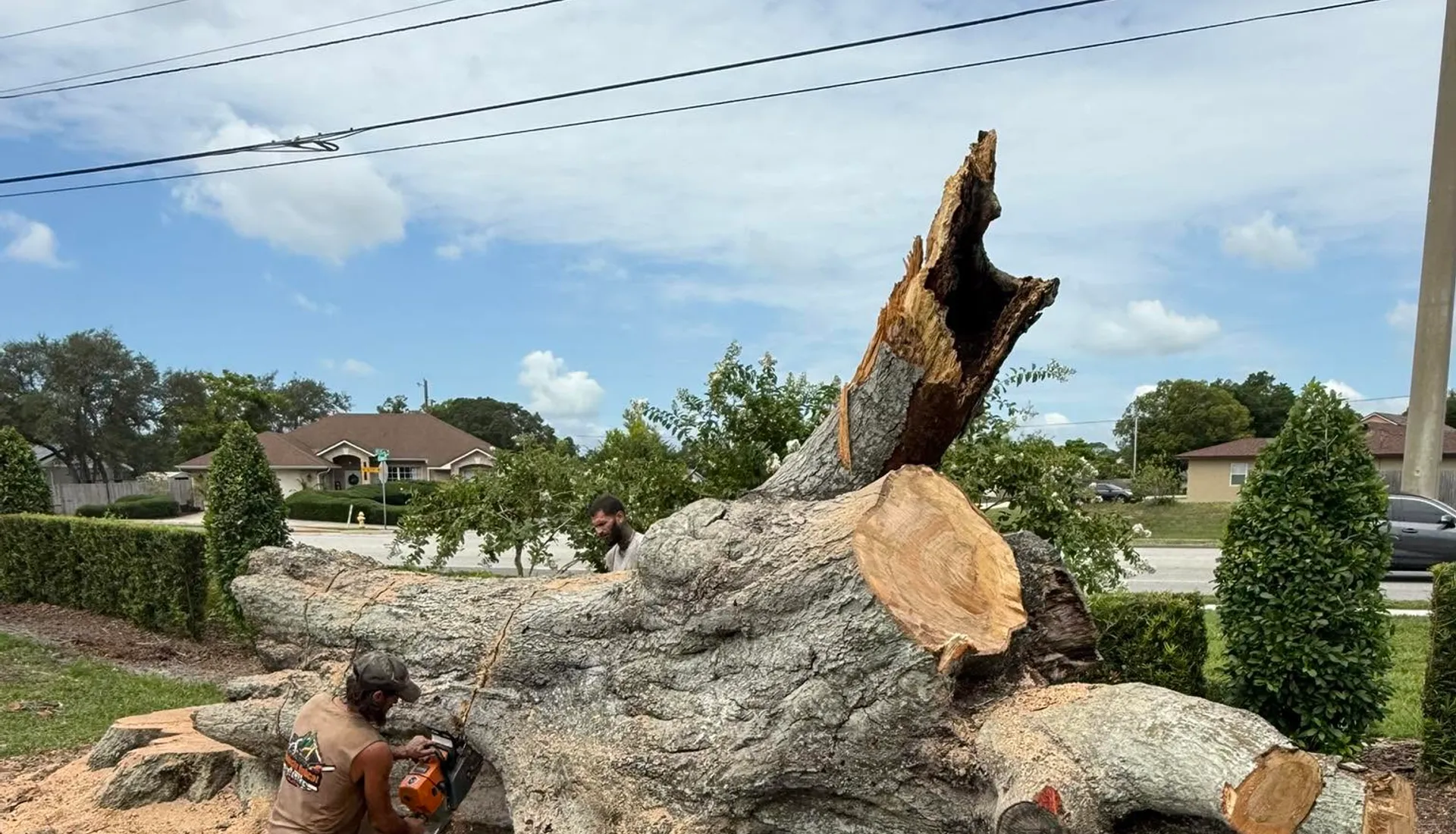
- Dead or falling branches. A few dead twigs are normal. But if you see large limbs dropping, especially in calm weather, that is a red flag. It could mean the branch is decaying or the tree is stressed.
- Fungal growth at the base. Mushrooms or conks growing on the trunk or at the root flare often indicate internal rot. The fungus is digesting the wood. The tree may be hollowing out.
- Leaning trunk. Some trees grow at an angle naturally. But a sudden lean or a lean that gets worse over time suggests root failure or soil instability.
- Cracks or splits in the trunk. Vertical cracks that go deep into the wood can weaken the entire structure. If the crack extends into the root crown, the tree may be at high risk of falling.
- Missing bark or peeling bark. If large patches of bark fall off, the cambium layer underneath is damaged. That can kill the tree or invite pests.
- Leaf discoloration or wilting out of season. Yellowing leaves, sparse foliage, or leaves that wilt in spring or summer are often signs of root issues, disease, or nutrient deficiency.
- Insect activity. Holes in the trunk, sawdust at the base, or swarms of beetles around the tree mean pests are boring into the wood. Some insects only attack already weakened trees, so their presence is a clue.
If you notice any of these signs, it is time to schedule a professional tree health assessment. An arborist can look at the whole picture and tell you what is really going on.
What Happens During a Professional Tree Health Assessment
A proper tree health assessment is not just walking around the tree and saying it looks okay. It involves systematic inspection. The arborist will start by looking at the crown, checking for dead branches, leaf density, and overall vigor. Then they examine the trunk for cracks, cankers, and wounds. Finally, they inspect the root zone, looking for signs of girdling roots, soil compaction, or decay.
Sometimes the arborist will use tools like a resistograph or a sonic tomograph to measure internal decay without harming the tree. They may take soil samples or send leaf samples to a lab. They look for patterns that indicate specific diseases or pests. For example, if a live oak has black streaks in the wood from the root flare upward, that could be oak wilt, which is a serious fungal disease that can kill the tree within a season.
Based on the findings, the arborist will give you options. Sometimes the tree just needs pruning or fertilization. Other times it needs cabling or bracing to support a weak branch union. In the worst cases, the tree is a hazard and needs to be removed. The assessment helps you make an informed decision, not a panicked one.
When Timing Matters Most
Hurricane season is a major reason to stay on top of tree health. A tree that looks fine in March might snap in half during an August storm. I have seen healthy-looking trees with hidden decay fail completely under wind load. That is why it is smart to have a tree health assessment done before the storm season ramps up, ideally in late spring or early summer.
If you notice a sudden change in a tree after a storm, that is another good time to call. A lightning strike, wind damage, or flooding can all cause hidden injuries. A tree that was stressed before the storm may be pushed over the edge. Getting a professional opinion quickly can prevent a second round of damage.
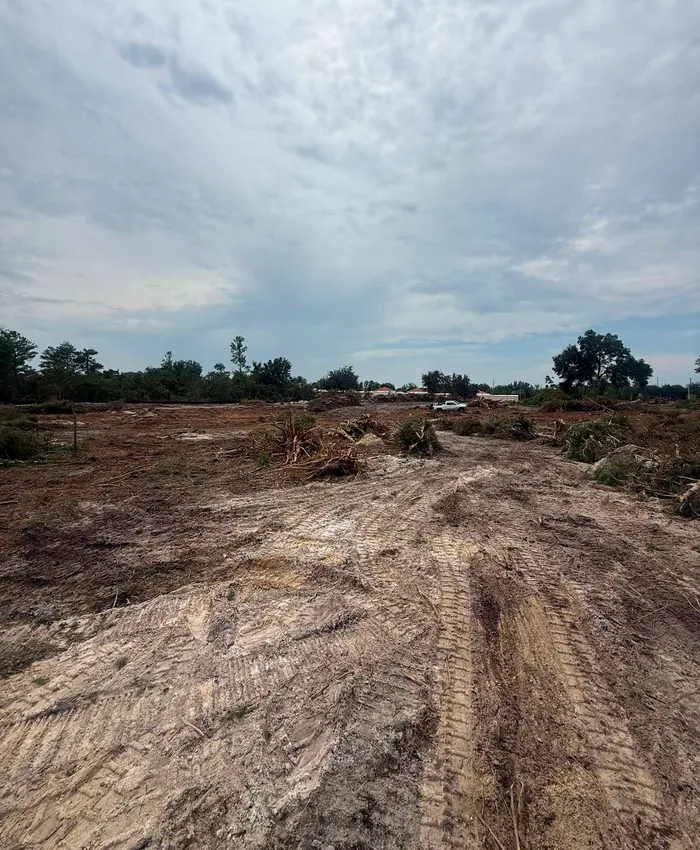
Also, if you are planning construction or landscaping near a tree, get an assessment first. Root damage from digging or soil compaction from heavy equipment can kill a tree slowly. An arborist can help you protect the tree or decide if it is worth saving.
Common Mistakes Homeowners Make
One mistake I see often is ignoring the base of the tree. People look at the leaves and the trunk but forget that roots are the foundation. If the soil around the tree is washing away, or if the tree is planted too deep, the roots may suffocate. Another mistake is thinking that a tree that is green is healthy. A tree can be green but still be structurally compromised. Decay inside the trunk does not always show on the outside until it is too late.
Some homeowners try to treat tree problems themselves. They buy sprays or fertilizers hoping to fix a disease. But many tree diseases have no chemical cure. And improper pruning can make things worse. Cutting off a branch incorrectly can leave a wound that invites decay. Topping a tree, where you cut the main trunk down to a stub, often causes weak regrowth that breaks easily in storms.
A professional tree health assessment saves you money and heartache in the long run. If the tree has to come down, you know why. If it can be saved, you know how. And if it is safe, you have peace of mind.
Connect with us on YouTube.
How Often Should You Get an Assessment?
For most homeowners, once every two or three years is enough for mature trees. Young trees need less attention unless they show problems. If you have a large, historic tree on your property, an annual checkup is a good idea. And after any major storm, wind event, or lightning strike, get it looked at right away.
If you are unsure about a tree, it is better to call than to wait. The cost of an assessment is small compared to the cost of a tree falling on your house, your car, or a person. And many tree service companies offer a free or low-cost estimate that includes a basic health check. But a full tree health assessment goes deeper and gives you a written report with recommendations.
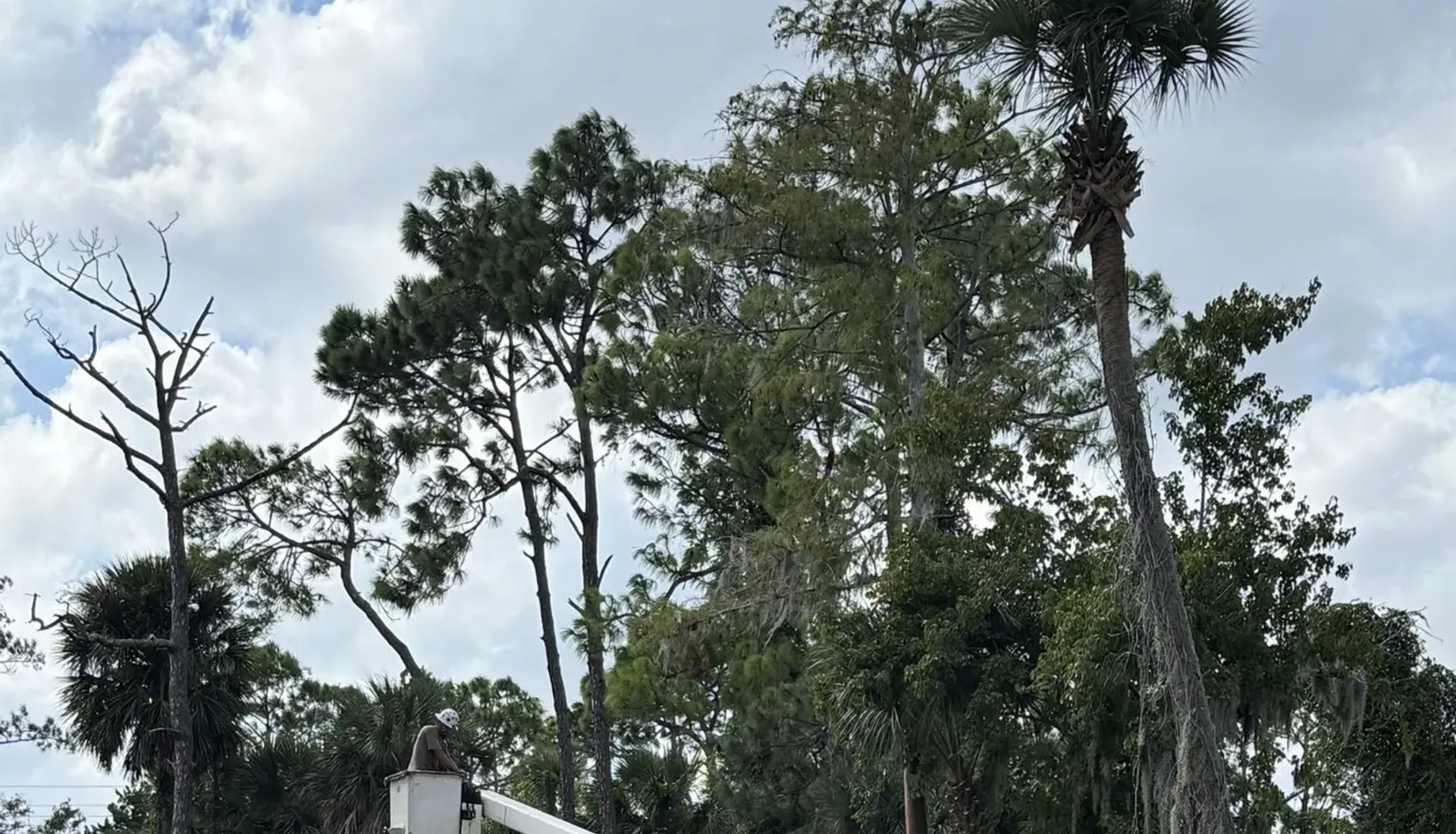
I have seen trees that looked completely healthy from the street but had a cavity the size of a basketball inside. I have seen trees that dropped one branch and then stood for another ten years without issue. The only way to know for sure is to have someone who knows what to look for do a thorough inspection.
Volusia Bobcat & Tree Service, located at 210 Valencia Rd, DeBary, FL 32713, provides professional tree removal, trimming, stump grinding, emergency services, and firewood sales, and can assist with a thorough tree health assessment if you are concerned about any trees on your property. You can reach them at +1 386-675-7898.